Moving to Malta? Find the official residence guidance for your nationality, search long-term rentals and know what to ask about lease registration.
If you are moving to Malta as an EU national, you do not need a permit to live and work there. If an EU or EEA national intends to live or work in Malta for longer than three months, they must register their residence with Identità, whose Expatriates Unit deals with residence documents and permits. Non-EU nationals need a residence permit to work in Malta, and the first step is a job offer from an employer in Malta; Identità also lists routes for family members, students and others.
If you rent, the lease must be registered with the Housing Authority; Step 2 explains the rule. Nothing here is legal, tax or immigration advice for your personal situation.
This guide is for anyone planning a long-term move to Malta or Gozo, whether you are coming from another EU country, from the UK or from further away. Use this guide to find the official residence guidance for your situation, look for a long-term rental and contact the right office.
Some topics need their own official sources and are not covered here: income tax, bringing pets, the detailed rules of residency programmes, and budgets. Buying property as a foreigner is also a separate topic with its own rules.
EU nationals. According to Identità, EU nationals do not need a permit to reside and work in Malta.
EEA nationals. EEA nationals have the right to reside in Malta when they exercise their treaty rights as workers, self-employed persons, economically self-sufficient persons, family members, exempt persons or students. Identità adds that these rights may be restricted on grounds of public policy, public security or public health, or if a person becomes an unreasonable burden on Malta's social assistance system.
Non-EU nationals who want to work. Non-EU nationals need a residence permit to be employed in Malta, and the first step is an employment offer from an employer in Malta. This applies to nationals of the US, India, South Africa and any other country outside the EU and EEA; check Identità's guidance for your nationality and the purpose of your stay. Identità's employment-related permits page lists the Single Permit, Self-Employment, employment of less than six months, the Blue Card and the Intra-Corporate Transferee permit, and links to the employment application checklists and forms.
An employment-based permit stays valid only while its main criteria, the job designation, the employer and the duration, continue to be met. If any of these change or stop being effective, the holder must inform the Expatriates Unit and return the residence card immediately. The permit also does not give the right to work in other EU countries.
Non-EU nationals who are not moving for work. Identità lists other routes: family member, exemption under national legislation, study, research, traineeships, volunteering and internships, economically self-sufficient persons, a temporary route and long-term residence. Identità's non-employment permits page lists a family member route alongside its other routes. Forms for several non-employment routes are on the forms page; for other routes, start from the non-employment permits page.
British nationals. Identità's British nationals section covers the Withdrawal Agreement and citizens' rights, with its own FAQs.
Residency programmes. The Residency Malta Agency manages the Malta Permanent Residence Programme. Its website also introduces the Nomad Residence Permit and the Malta Startup Residence Programme.
Start your search with Rera's long-term rentals in Malta, or narrow it down to apartments for rent or houses for rent. Rera is a property marketplace. You can search on a map, save favourites, compare properties, see which agency advertises a listing and track listing price changes.
For a long-term home, check lease registration before you sign. The Housing Authority says lease agreements signed after 1 June 1995 must be registered with it under Cap. 604, the Private Residential Leases Act. Ask who will register your lease, when, and how you can confirm it has been registered. Registration is online. The Housing Authority says its arbitration panel may resolve some disputes. For an overview, see the Housing Authority's summary of its services.
EU and EEA nationals. If you intend to live or work in Malta for longer than three months, register your residence with Identità. You will be issued an eResidence document based on the scope of your residence in Malta. Read Identità's registration guidance, then use "Book Now" on its How to Apply page to make an appointment.
Non-EU nationals. The application pages for your route are in Step 1.
Address changes and lost, stolen or damaged cards. People living in Malta must inform the authorities of a change of address, or of a lost, stolen or damaged card. For an EU or EEA eResidence document, report it to Identità and apply online through the Expatriates Unit Portal; the EU nationals' change of address page has the checklist and the address declaration. For non-employment residence permits, see Identità's page on address changes and lost, stolen or damaged permits.
Buying is a separate topic not covered in this guide. If you decide to buy, browse property for sale, apartments for sale and houses for sale on Rera. Speak to a notary or a lawyer before you sign a purchase agreement.
How much money you need to move to Malta depends on where you live, the rent you choose and your residence route, so there is no single figure that fits everyone.
Applying for and receiving an eResidence document is free of charge for EU and EEA nationals. Replacement fees are on Identità's eResidence fees page. For non-EU permits, check the official pages for your permit type for any fees before you apply.
If you are an EU or EEA national and intend to live or work in Malta for more than three months, see Step 3 for registration.
The official pages cannot answer most questions about the pros and cons, but they do make a few things clear.
The rest is yours to judge. Daily life, safety, quality of life and the cost of living are personal and change over time, so look into them yourself before you commit. A forum post is one person's experience, not a rule.
Identità and its Expatriates Unit handle residence documents and permits.
| What | Details from Identità's contact page |
|---|---|
| Address listed by Identità | Identità, Triq il-Wied, L-Imsida, MSD 9020, Malta |
| General phone | +356 2590 4000 |
| Identità general hours | Monday to Friday, 07:15 to 14:30 |
| Expatriates e-residency cards, Malta | +356 2590 4800 |
| Expatriates e-residency cards, Gozo | +356 2590 4607, 4608, 4609 or 4610 |
Use the enquiry form on Identità's contact page. The Expatriates Unit lists its own desk opening hours on its page. Check where and when to go before visiting.
The Housing Authority handles lease registration. Its contact page lists a postal address at 22, Pietro Floriani Street, Floriana FRN 1060, Customer Care on +356 2299 1000, a Rent Registration line on +356 2299 1010 and the email [email protected]. Check the Housing Authority's contact page for public opening hours before visiting its Floriana office.
Residency programmes: for residency programme information, see the Residency Malta Agency website.
A qualified professional, such as a lawyer, notary or tax adviser, can advise on your own situation.
When you are ready to look for a home, start with long-term rentals in Malta on Rera.

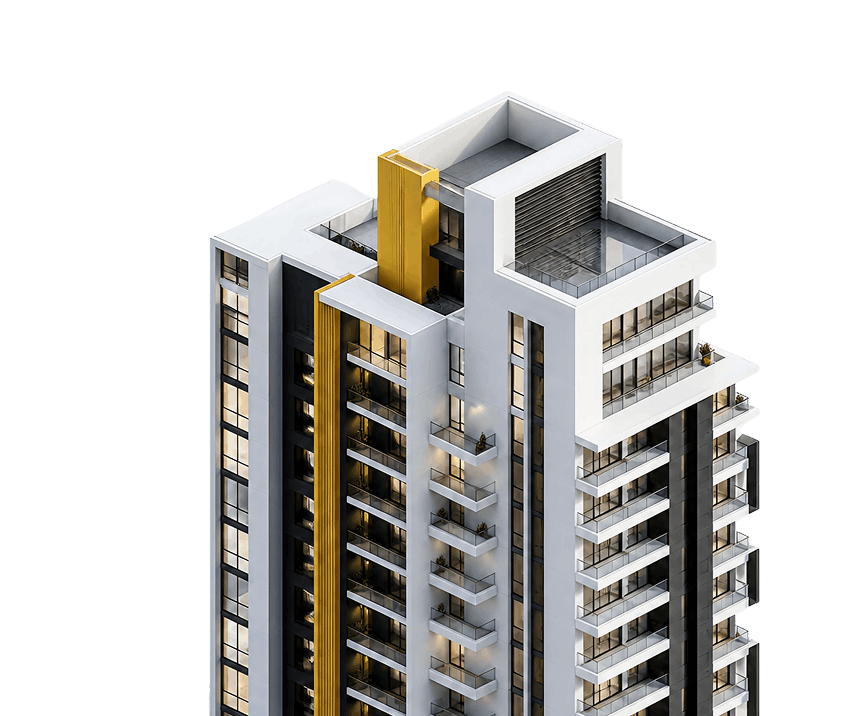
Planning to buy an apartment in Malta or looking for a rental property?
On RERA, you'll find 10,000+ up-to-date real estate listings across Malta – from studios and apartments to villas and commercial properties.